Why Do Some Barns Struggle with Sorting Accuracy While Others Don’t?
Executive Summary
Sorting systems have become a standard part of modern pork production—helping improve labor efficiency, pig flow, and overall consistency.
Yet across operations, a gap continues to surface:
Some barns maintain highly consistent sorting accuracy, while others experience ongoing variability.
In most cases, the difference isn’t the sorter itself.
It comes down to how the system is set up, managed, and maintained over time.
Operations using systems such as ProSort often discover that long-term sorting success depends not only on the technology itself, but on how the overall barn environment supports pig movement and daily consistency.
Sorting Accuracy Is a System Outcome
Sorting systems are designed to operate consistently under normal conditions. When accuracy varies, it’s rarely the result of equipment performance declining.
Instead, it reflects changes in the system surrounding it.
Sorting depends on predictable pig movement. When pigs move naturally and consistently through the barn, sorting accuracy follows. When that movement becomes inconsistent, the system responds accordingly.
The key point:
Sorting accuracy is not created by the sorter—it’s created by the system the sorter operates within.
The Role of System Setup
The foundation of consistent sorting performance begins with how the barn is set up.
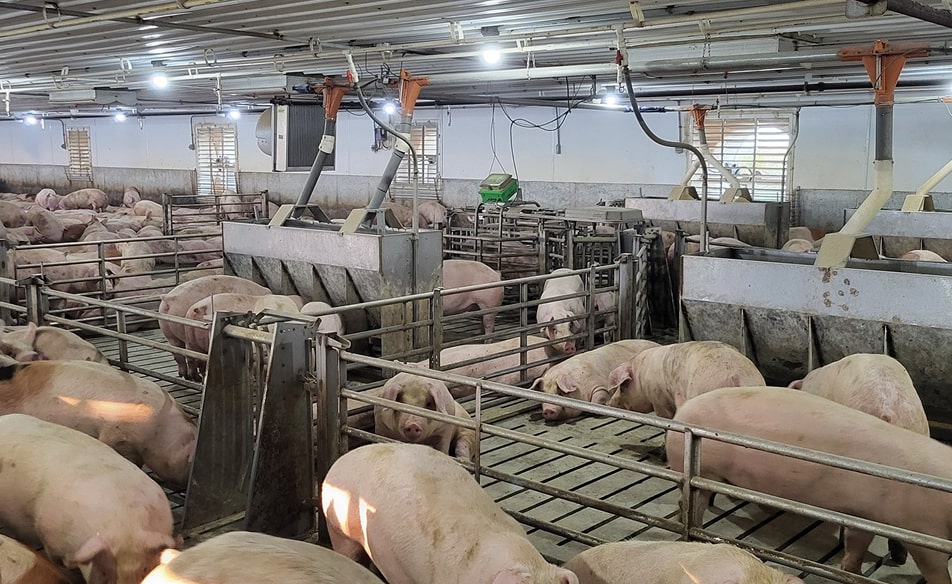
Well-performing barns are typically designed around natural pig behavior, with careful attention to:
- Stocking density
- Pen layout and pressure
- Feed and water placement
- Traffic flow through the barn
When these elements are aligned, pigs move more freely, hesitation is reduced, and interaction with the sorter becomes more consistent.
ProSort systems are often most effective in barns where the overall system has been designed to support smooth pig flow rather than requiring constant intervention from staff.
If the system requires constant intervention to maintain flow, it’s usually a sign that setup is working against natural movement rather than supporting it.
Where Variability Begins
In barns where sorting accuracy becomes inconsistent, the cause is often not a single issue.
It’s a series of small inefficiencies that develop over time:
- Slight overcrowding in certain areas
- Subtle disruptions in pig traffic patterns
- Changes in daily routines
- Inconsistent access to feed or water
Individually, these factors may seem minor. Together, they influence how pigs interact with the system and can lead to noticeable shifts in performance.
Sorting systems tend to reveal these issues quickly, which is why they are often blamed first—even when they are simply reflecting what’s happening in the barn.
Human Factors and Daily Consistency
Day-to-day management plays a critical role in maintaining sorting accuracy.
Sorting systems rely on consistent conditions—not just from pigs, but from people.
Variability in routines—such as how often pens are walked, how pigs are moved, or how issues are addressed—can introduce inconsistency into the system.
Operations that maintain strong sorting performance typically have:
- Clear, repeatable routines
- Consistent execution across staff
- A focus on small adjustments before issues build
Consistency in management reinforces consistency in performance.
Evaluating Performance the Right Way
When sorting accuracy changes, the first step should be to evaluate the system—not the equipment.
Key areas to review include:
- Pig flow: Are pigs moving naturally and consistently?
- Stocking density: Is the barn operating within its intended capacity?
- Feed and water access: Are they supporting movement?
- Daily routines: Are they consistent across shifts and staff?
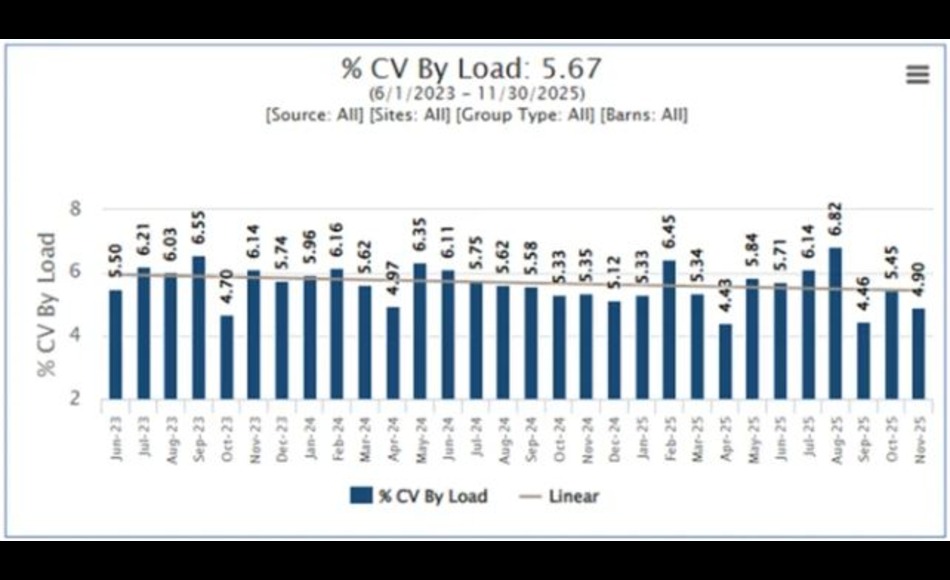
- Data trends: What patterns are developing over time?
In most cases, once system-level factors are addressed, sorting accuracy stabilizes without changes to the equipment.
Closing Thought
Sorting systems are not just tools—they are part of a broader management system.
The barns that achieve consistent performance aren’t necessarily using different equipment. They are operating with:
- Strong system design
- Consistent daily routines
- Attention to small details that influence overall flow
Operations using ProSort systems often find that the best long-term results come when technology, barn design, pig flow and daily management all work together as part of one connected system.
The opportunity isn’t just to fix variability.
It’s to better understand what the system is telling you—and use that insight to improve performance over time.
About ProSort
ProSort helps producers improve pig flow, labor efficiency and barn management through practical sorting solutions designed around real-world production environments.